



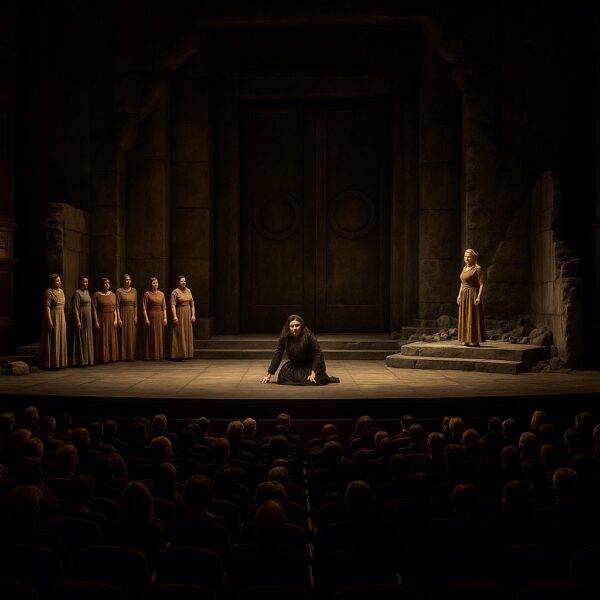
CLASSICAL OPERA Classical Opera describes a dramatic musical form that integrates music, theatre, scenography, and vocal expression within a complex stage structure. This genre developed in Europe from the…
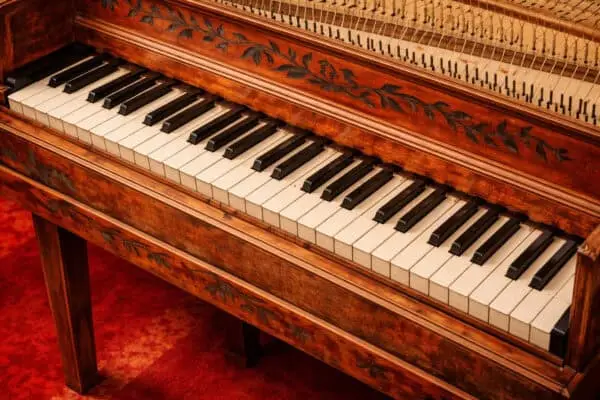
PREDECESSORS OF THE PIANO Since Antiquity, musicians sought sound control, stable tuning, and dynamic expressiveness, although these goals were achieved gradually. For this reason, the piano did not emerge…

THE USE OF PIANO PEDALS The use of piano pedals in different historical periods reflects the parallel evolution of the instrument, aesthetic thought, and interpretative technique. It did not emerge…
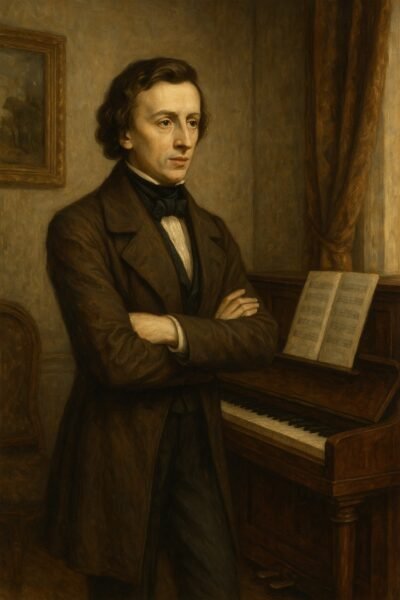
THE PIANISTIC TECHNIQUE OF CHOPIN The Pianistic Technique of Chopin represents one of the most refined approaches of musical Romanticism, as it transformed the piano into a deeply expressive…
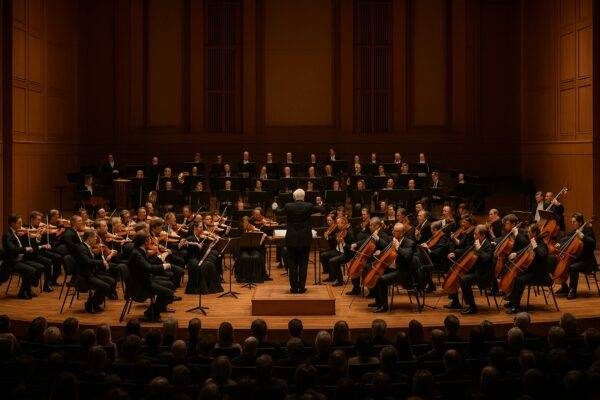
CLASSICAL MUSIC Classical Music describes a broad body of musical traditions developed mainly in Europe between the eleventh and twentieth centuries. This tradition emerged within religious institutions and European…
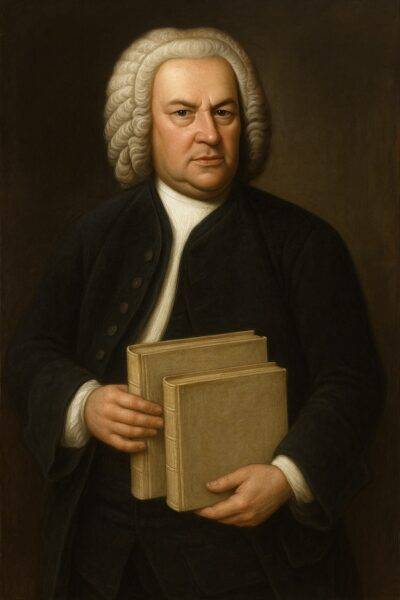
THE WELL-TEMPERED CLAVIER The Well-Tempered Clavier was composed by Johann Sebastian Bach (1685–1750) and completed in 1722 during his service in Köthen. A second volume appeared in 1742, reflecting…
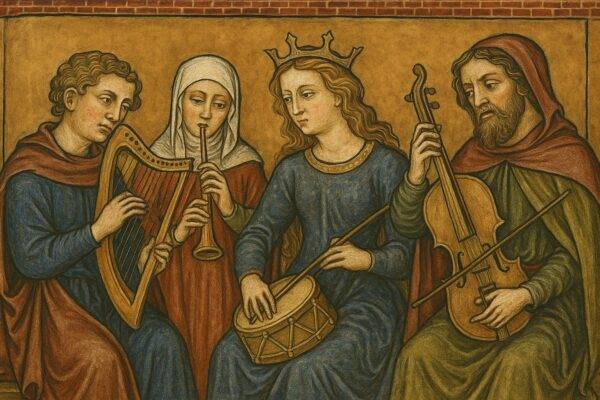
THE MAIN PERIODS OF CLASSICAL MUSIC The main periods of classical music begin with Medieval music, emerging after the fall of the Western Roman Empire around 476 CE. During…
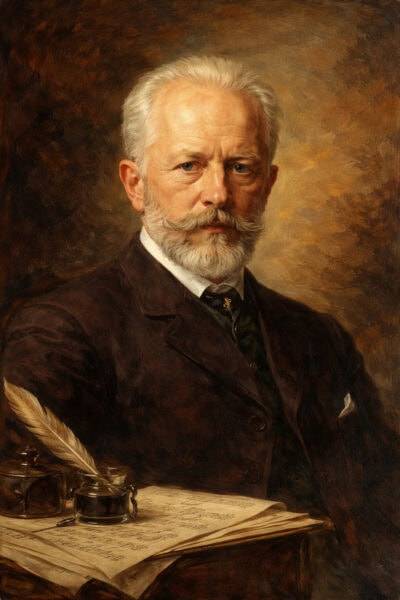
PIOTR ILICH CHAIKOVSKI (English) Piotr Ilich Chaikovski was born on 7 May 1840 in Votkinsk, within the Russian Empire. He demonstrated an early inclination toward music during childhood. However, his initial education followed…
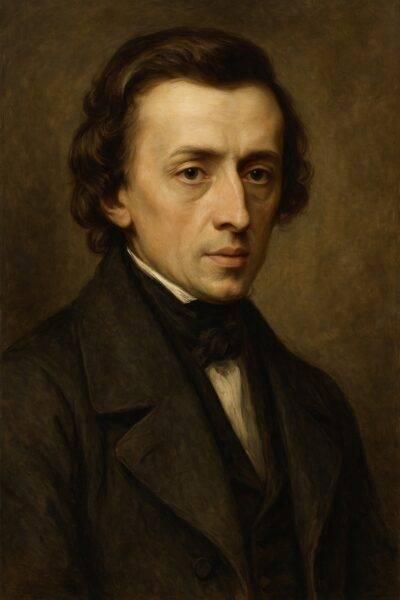
FREDERIC CHOPIN (English) Frédéric Chopin was born on March 1, 1810, in Żelazowa Wola, near Warsaw, then part of the Duchy of Warsaw. He was a Polish composer and…

HANS ZIMMER (English) HANS ZIMMER was born on September 12, 1957, in Frankfurt, West Germany, where his early environment encouraged curiosity rather than strict discipline. From childhood, he showed…