




CLASSICAL OPERA
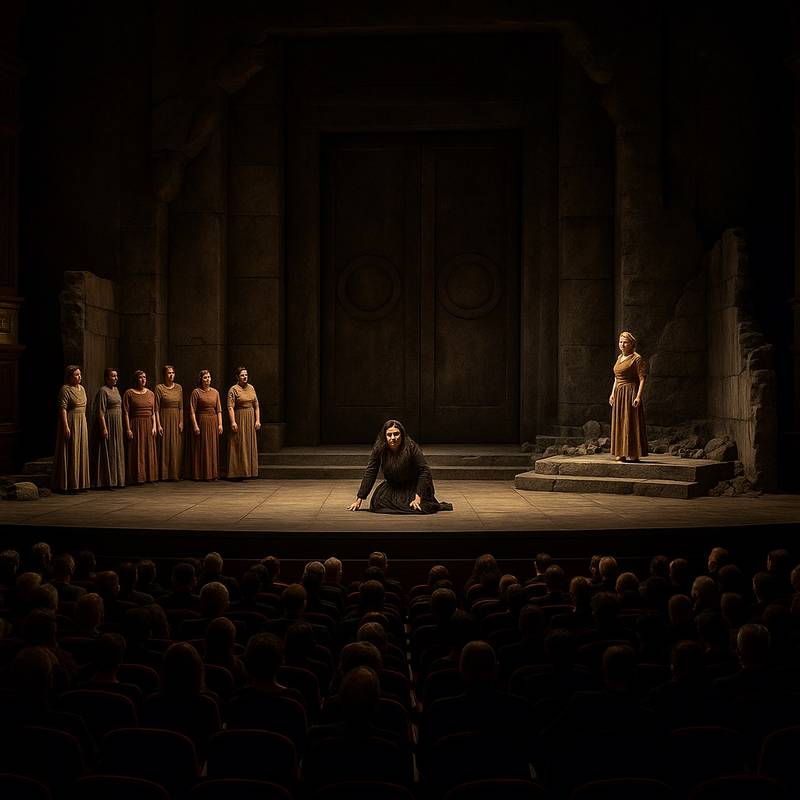
Classical Opera describes a dramatic musical form that integrates music, theatre, scenography, and vocal expression within a complex stage structure. This genre developed in Europe from the seventeenth century onward, with the aim of telling stories through solo voice, chorus, orchestra, and dramatic acting. As a result, Classical Opera creates a comprehensive artistic experience in which sound and language function inseparably, prioritizing textual clarity and emotional expressiveness. The historical origin of Classical Opera is located in Florence during the late Renaissance, around 1600, when the intellectuals of the Florentine Camerata sought to revive the ideals of ancient Greek theatre. Consequently, accompanied monody emerged, gradually replacing Renaissance polyphony. In 1607, Claudio Monteverdi premiered L’Orfeo, a work that established the formal and expressive foundations of the genre, introducing harmonic innovations and a deeper dramatic treatment that definitively consolidated the operatic tradition.
Historical Development of Classical Opera in Europe
During the seventeenth century, opera spread throughout Italy, Germany, and France, where each region adopted its own styles and developed distinct national traditions. In 1637, Venice opened the first commercial opera house, a decisive event that allowed Classical Opera to become a permanent public spectacle. Subsequently, the eighteenth century contributed formal balance, structural clarity, and dramatic coherence. Around 1760, Christoph Willibald Gluck promoted a profound operatic reform, advocating music in the service of the text and stage action while reducing excessive virtuosity. Between 1781 and 1791, Wolfgang Amadeus Mozart redefined Classical Opera with works such as The Marriage of Figaro, Don Giovanni, and The Magic Flute, integrating dramatic precision, psychological depth, and musical balance within an accessible and universal language.
Essential Characteristics
Classical Opera is structured through arias, recitatives, choruses, and overtures, elements that organize musical narrative with clarity. Recitative develops the action through direct rhythmic declamation and prepares the entrance of more expressive sections. Arias allow for the expression of intense emotions and the characters’ inner reflection, displaying vocal virtuosity without losing dramatic coherence. Choruses reinforce collective atmospheres and expand the emotional dimension of the scene. This balanced combination generates a constant relationship between drama and music, reflecting ideals of symmetry, proportion, and clarity characteristic of Enlightenment thought.
The Voice and the Orchestra in Classical Opera
The human voice constitutes the expressive center of Classical Opera, as each vocal type fulfills specific dramatic functions. Sopranos usually portray heroic or romantic protagonists, while tenors represent passionate and conflicted figures. Baritones and basses, in turn, embody characters of authority, antagonism, or wisdom, contributing dramatic depth. This vocal organization strengthens the audience’s theatrical understanding. The orchestra plays a decisive role as dramatic support, providing sonic colors that emphasize emotions and tensions while creating fluid transitions between scenes. The innovations of Mozart, Gluck, and Haydn significantly expanded the expressive possibilities of the orchestral language.
Cultural Impact and Legacy
Classical Opera profoundly influenced the development of Western music, establishing formal and expressive models that directly inspired nineteenth-century Romanticism. Its dramatic and musical structures remain valid as interpretative and pedagogical references. Today, Classical Opera continues to be performed in major international theatres and is studied in conservatories for its historical, technical, and aesthetic relevance. Its legacy acts as a bridge between tradition, emotion, and scenic creativity, demonstrating that Classical Opera is not merely a historical phenomenon, but a living tradition capable of communicating universal human ideas with artistic balance and expressive depth.
