




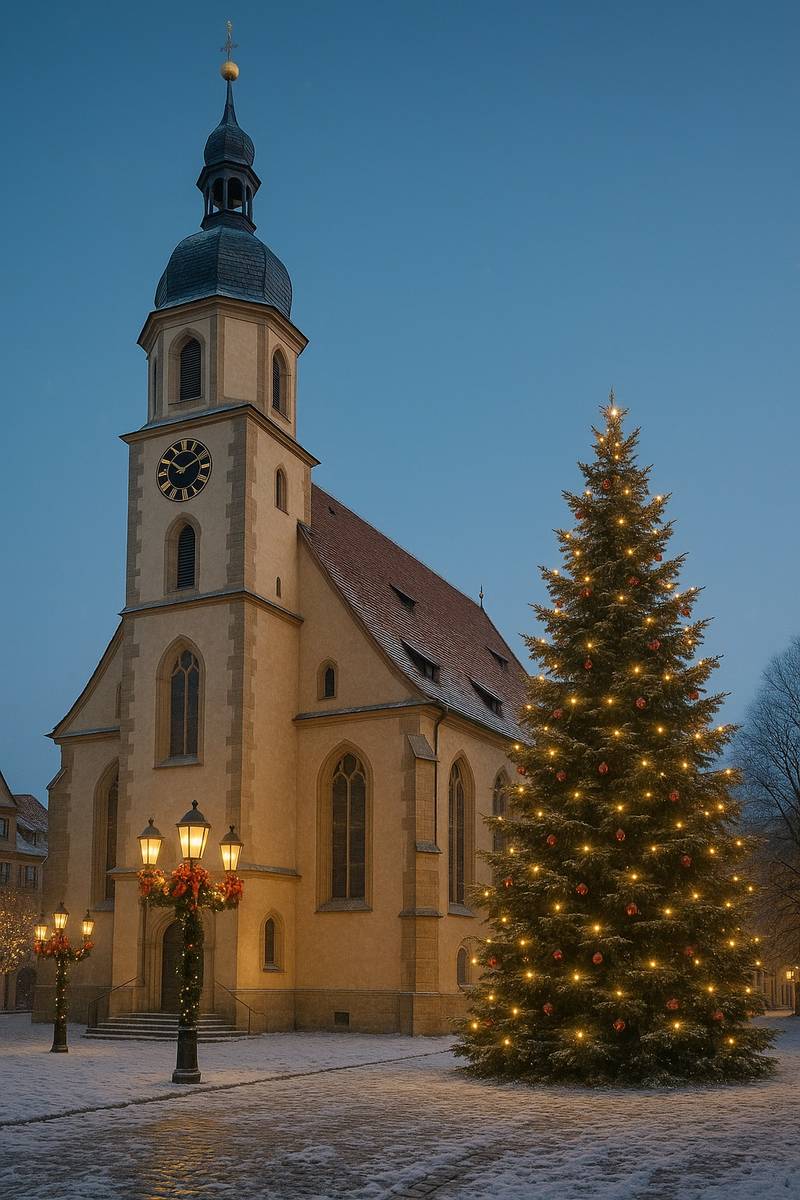
CHRISTMAS ORATORIO (BWV 248)
The Christmas Oratorio (BWV 248) stands among the most significant sacred works by Johann Sebastian Bach. Bach composed it in 1734, during his mature Leipzig period as Thomaskantor. The complete cycle premiered between December 25, 1734, and January 6, 1735, following the Lutheran liturgical calendar precisely. Therefore, the work integrates music, theology, and worship into a single artistic vision. Unlike a continuous oratorio, it forms a carefully planned sacred cycle, designed for specific feast days. Consequently, Christmas Oratorio (BWV 248) reflects both historical awareness and spiritual intention, ensuring doctrinal accuracy and expressive clarity.
Structure, Cantatas, and Narrative Design
The Christmas Oratorio (BWV 248) consists of six independent cantatas, each assigned to a particular celebration within the Christmas season. The first cantata serves Christmas Day, proclaiming the birth of Christ with ceremonial brilliance. The second and third cantatas focus on the Annunciation and Adoration of the Shepherds, adopting a pastoral tone. The fourth cantata belongs to January 1, addressing the Naming of Jesus. The fifth and sixth cantatas lead toward Epiphany, celebrated on January 6, depicting the journey and worship of the Magi. Thus, Bach constructs a progressive biblical narrative, unfolding step by step. This structural design guarantees narrative coherence without reducing musical diversity.
Textual Sources and Theology in Christmas Oratorio (BWV 248)
The text combines biblical scripture and poetic meditation. Bach draws primarily from the Gospels of Luke and Matthew, narrated by a tenor Evangelist. In addition, familiar Lutheran chorales anchor the work within congregational practice. These chorales reinforce doctrinal clarity and communal participation. Meanwhile, poetic arias invite personal reflection and emotional engagement. As a result, theology operates on both collective and individual levels. This balance enhances spiritual understanding and devotional depth.
Musical Language and Symbolism
From a musical perspective, the Christmas Oratorio (BWV 248) reveals Bach’s mature mastery. Festive cantatas employ trumpets and timpani, symbolizing divine majesty and royal authority. In contrast, pastoral scenes rely on oboes and flutes, evoking humility and intimacy. Bach also uses the technique of parody, adapting earlier secular compositions. However, new sacred texts transform their meaning entirely. Therefore, musical symbolism consistently supports theological intent. Every compositional decision strengthens the sacred narrative.
Reception, Legacy, and Artistic Importance of Christmas Oratorio (BWV 248)
Originally, it functioned exclusively within Lutheran worship services. During the nineteenth century, renewed scholarly interest brought it into concert performance. Today, it stands alongside Handel’s Messiah as a central Christmas masterpiece. Scholars admire its formal balance and rhetorical precision. Performers value its vocal brilliance and orchestral color. Audiences respond to its joyful proclamation and contemplative spirit. Consequently, the work transcends confessional boundaries. Its message resonates universally through sacred art.
In conclusion, the Christmas Oratorio (BWV 248) represents a summit of Baroque sacred composition. Bach unites liturgy, scripture, and musical architecture into a coherent spiritual structure. Each cantata fulfills a specific theological and narrative role. Consequently, the cycle unfolds as a musical journey through the Christmas mystery. Its historical grounding ensures reliability. Its artistic excellence guarantees permanence. Ultimately, Christmas Oratorio (BWV 248) confirms Bach as a master theologian in sound.
